

Explore a tour to Sukuh Temple and Cetho Temple featuring mystical architecture, mountain scenery, culture, and ancient heritage unlike any other temples in Java.
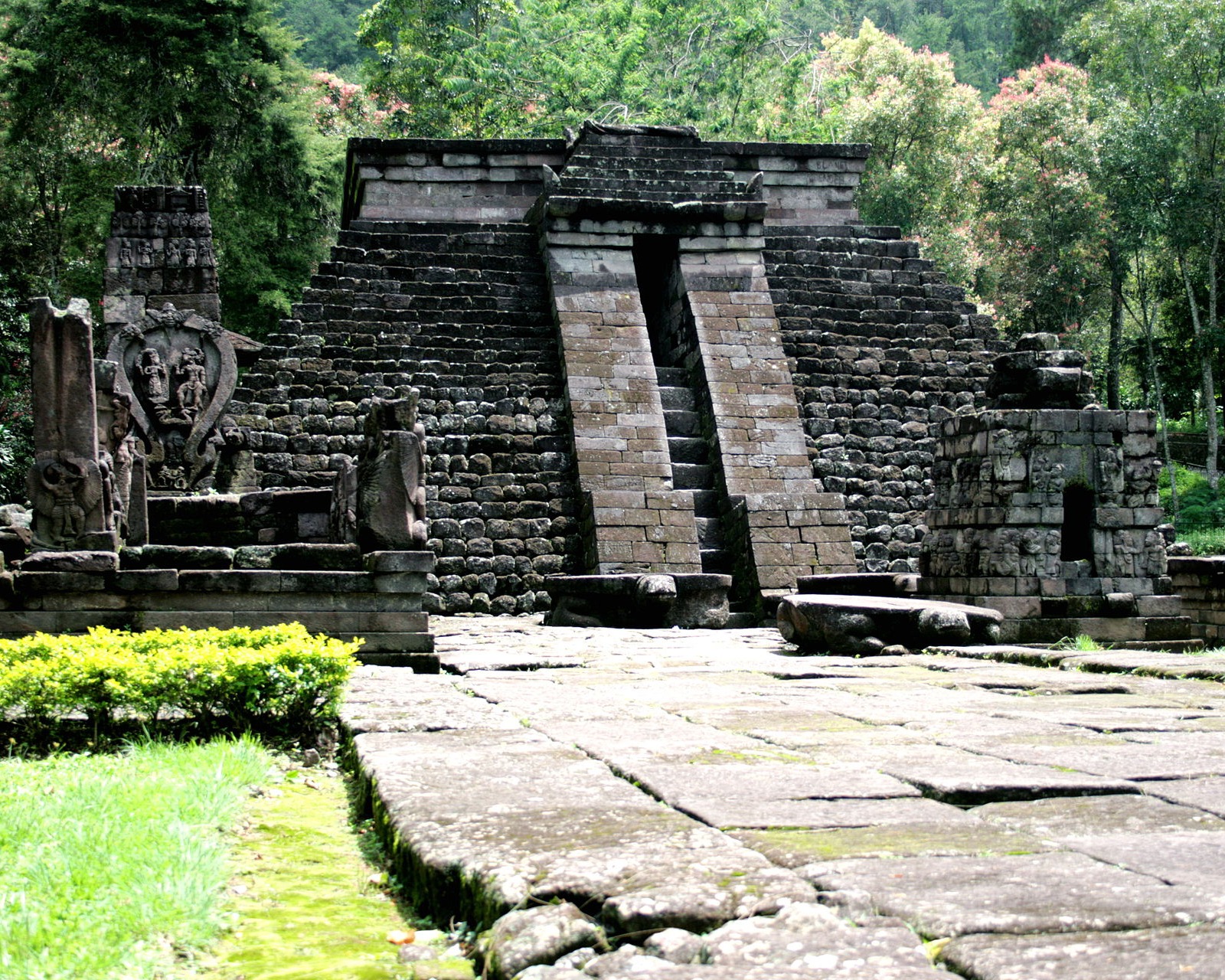
Sukuh temple is a 15th-century Javanese-Hindu temple (candi) that is located in Berjo, Ngargoyoso district, Karanganyar Regency, Central Java, Indonesia on the western slope of Mount Lawu (elevation 910 meters). This temple has a height of 87 meters. Sukuh temple has a distinctive thematic reliefs from other candi where life before birth and sexual education are its main theme. Its main monument is a simple pyramid structure with reliefs and statues in front of it, including three tortoises with flattened shells and a male figure grasping his penis. A giant 1.82 m (6 ft) high of Shishna with four testes, representing penile incisions, was one of the statues that has been relocated to the National Museum of Indonesia.
Check all Sukuh temple related tours.
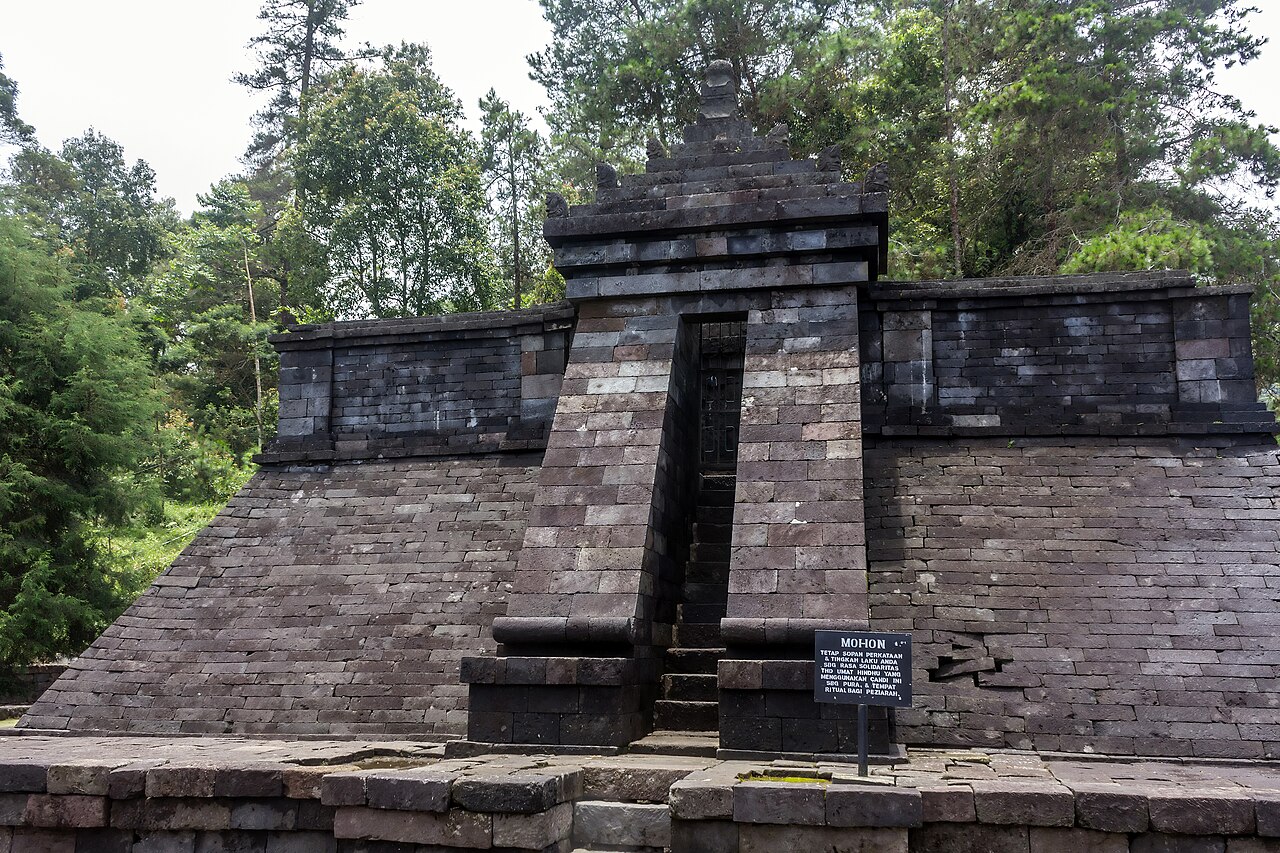
Cetho temple is a fifteenth-century Javanese–Hindu temple that is located on the western slope of Mount Lawu (elev. 1495 m above sea level) on the border between Central Java and East Java provinces.
Cetho is one of several temples built on the northwest slopes of Mount Lawu in the fifteenth century. By this time, Javanese religion and art had diverged from Indian precepts that had been so influential on temple styles during the 8th-10th century. This area was the last significant area of temple building in Java before the island’s courts were converted to Islam in the 16th century. The temples’ distinctiveness and the lack of records of Javanese ceremonies and beliefs of the era make it difficult for historians to interpret the significance of these antiquities.