Posts about Uncategorized

No category for this category

Malioboro, the most famous street in Yogyakarta

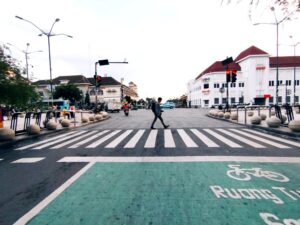
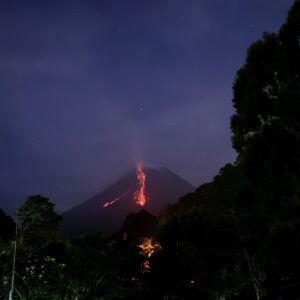
Malioboro street was originally designed as an imaginary north-south axis, considered sacred in accordance with the philosophical axis of the city of Yogyakarta, connecting Parangkusumo Beach, the Yogyakarta Palace, and Mount Merapi. There are several historical objects in this area, including the Yogyakarta Monument (Tugu), Yogyakarta Station, Gedung Agung, Beringharjo Market, Parliament Office, Vredeburg Fort, Grand Hotel De Djokja, Yogyakarta Special Region Governor’s Office Complex, and the March 1st General Attack Monument.

Malioboro street is famous for its street vendors selling typical Yogyakarta crafts and its nighttime stalls selling Jogja culinary delicacy like gudeg. It’s also a popular gathering place for artists who often express their talents through music, painting, happening art, pantomime, and more.

The street initially served as the main royal road (rajamarga) for the ceremonial activities of the sultanate. When the sultan left the inner palace and sat in Sitinggil for public ceremonies, he could see straight through Malioboro Street to the Tugu in the distance. Between Malioboro Street and the palace are two banyan trees surrounded by a square fence (waringin kurung) in the North Square. These twin symbolize the unification of two opposites.

In the 18th century, people from various ethnicities lived on this street, such as Javanese, Chinese, and Dutch. Since 1765, the Dutch and Chinese have inhabited the northern part of Yogyakarta, while the Javanese have inhabited the rest. This can be seen from the architectural form of the settlements near the southern part of Malioboro which are influenced by Chinese architecture. Meanwhile, the settlements near the northern part of Malioboro are influenced by Javanese and Dutch architecture.
Prawirotaman, a tourist village in Yogyakarta

Prawirotaman has been long known as a tourist village in Yogyakarta.

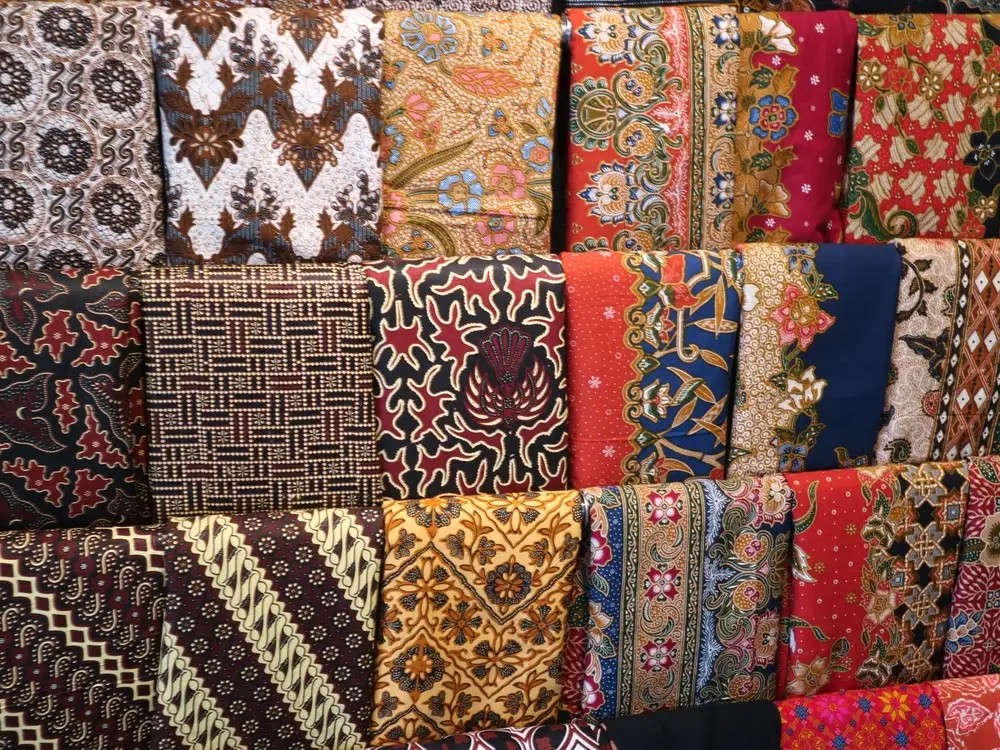
Back in the 70s, Prawirotaman was originally home to wealthy batik merchants. The area was known for traditional Javanese batik workshops, batik traders supplying markets in Yogyakarta and beyond, and large traditional houses owned by batik entrepreneurs. This early economic success made the neighborhood well known locally.

Batik tulis
Batik tulis

Get a batik workshop tour here.

When Indonesia began receiving more international backpackers in the 1970s, many batik businesses declined due to industrial productions. Then residents adapted by converting batik houses into guesthouses and opening small travel agencies and cafes. Because of this shift, Prawirotaman became known as Yogyakarta’s backpacker hub, especially popular with European travelers.

Sunset Prawirotaman
Sunset on Prawirotaman

Since then, Prawirotaman are famous for budget accommodations and guesthouses with international social atmosphere. Local people call it as ‘kampung bule’ (foreigner village). The other reasons why they love to stay here are because it’s close to major tourism destinations in the city like Sultan’s Palace, Water Castle and some cultural sites. Its relaxed environment but easy access to attractions is ideal for backpackers.

Why Indonesians like to take photos with you?

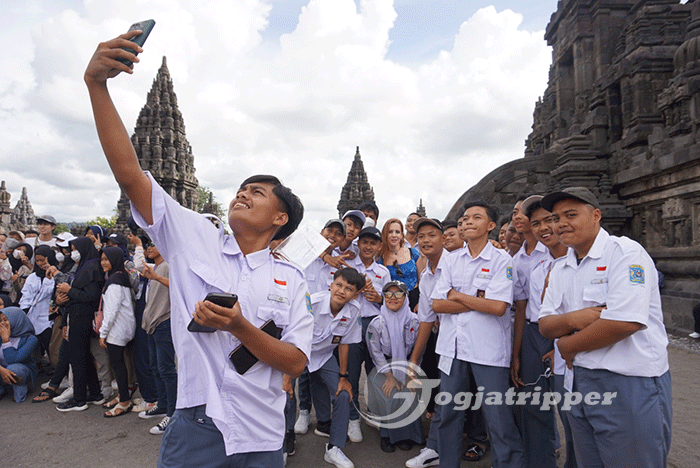
Why Indonesians like to take photos with you? You might be surprised that people come at you asking for photos especially in Borobudur and Prambanan. You become like a celebrity here. Why do they do that?

Selfie with locals 

It is because they who are mostly from outside Yogyakarta rarely meet foreigners whom they see merely on TV and movies. So having an interaction with foreigners is such a memorable experience that will last long in their memories.

If somehow you think you don’t like it or have had enough of it, just politely say no or “maaf” and they’ll be fine.

Enjoy Indonesia! Enjoy Yogyakarta!